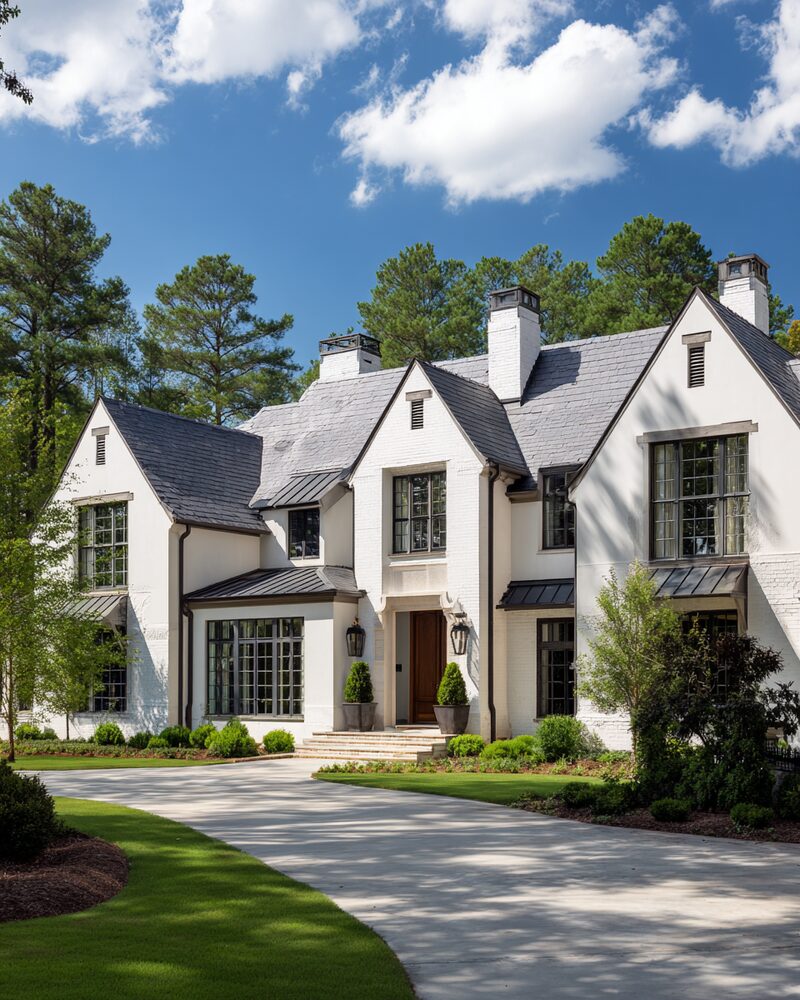
Commerce GA offers a unique mix of historic downtown character and modern new construction neighborhoods. Whether you are looking to buy or sell, understanding the costs, maintenance realities, financing differences, and buyer preferences for each property type will help you make a confident decision that performs well now and years from now.
Why this choice matters in Commerce GA today. The town's proximity to I 85, Athens, and local job centers keeps demand steady for a variety of buyers from young families to retirees. Recent market shifts mean buyers are selective about condition and convenience, while sellers who present the right story for their home type attract stronger offers. Knowing which features buyers prize for historic homes versus new builds is key to pricing, marketing, and negotiation.
What historic homes in Commerce GA deliver. Many older homes in the downtown and surrounding neighborhoods bring classic details, mature trees, walkable streets, and a strong sense of place. Buyers often value original trim, hardwood floors, and porches that fit small town living. For sellers, these qualities can command a premium when highlighted correctly. For buyers, historic homes can be an excellent long term investment if you verify the condition of the roof, foundation, electrical, and plumbing before you buy.
What new construction delivers. Newer subdivisions and infill developments offer open floor plans, modern systems, energy efficiency, and low initial maintenance. These homes appeal to buyers who want predictable monthly expenses and move in readiness. For sellers, showing a home with recent materials and up to code systems reduces friction in inspections and appraisal timelines and can shorten time on market.
Top inspection priorities by home type. For historic homes focus inspections on: foundation settlement, knob and tube or outdated wiring, lead paint, original plumbing, HVAC replacement history, and moisture or termite evidence. For new construction prioritize: warranty coverage, grading and drainage, builder finish quality, and HVAC commissioning. A targeted inspection report helps buyers budget accurately and gives sellers a clear path for prelisting repairs that deliver the best return.
Cost and resale considerations. Historic homes may require upfront renovation dollars but can appreciate because of location and uniqueness. New homes often sell quickly in price-competitive markets for buyers wanting turnkey living. When estimating return on investment, compare renovation costs to comparable sales in the same neighborhood and prioritize updates buyers care about most: kitchens, bathrooms, curb appeal, and energy improvements.
Financing and insurance nuances. Older properties can present lender concerns if major systems are near end of life, so buyers should discuss financing options early, including renovation loans or stronger earnest money
