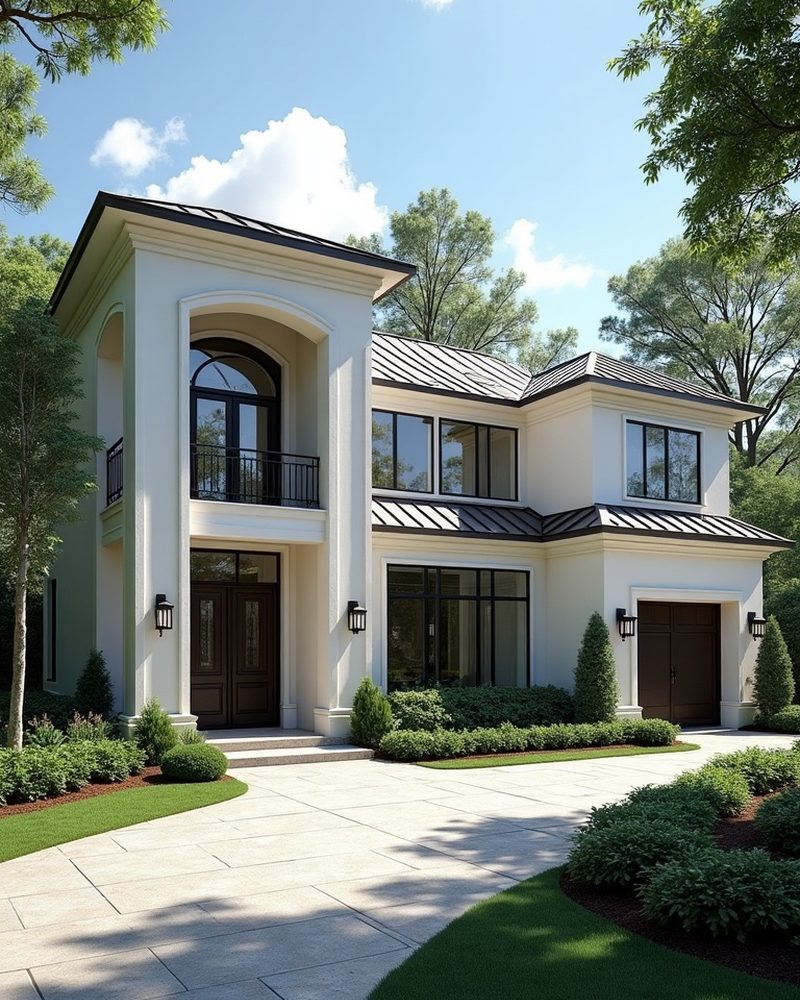
When buyers and sellers in Commerce GA focus only on square footage and finishes they miss one of the most durable drivers of local value: the lot itself. Whether you are planning to buy, sell, or hold property in Commerce GA, understanding lot size, orientation, topography, and legal constraints can turn a good decision into a great one. This guide explains the practical lot factors that matter here and now and will remain relevant for years to come.
Why the lot often defines long term value in Commerce GA
In small and growing markets like Commerce GA, lot features affect livability, development potential, and curb appeal more than almost any single interior upgrade. Buyers pay a premium for privacy, usable outdoor space, mature trees, and building flexibility. Sellers who present clear, well-maintained lots with documented boundaries and drainage solutions often sell faster and for more money than those who rely on interior staging alone.
Top lot elements buyers should check before making an offer
- Lot size and usable area: Look beyond parcel acreage to how much of the lot is buildable. Steep slopes, wetlands, or right-of-way strips reduce usable space.
- Topography and drainage: Check for low spots or pooling after rain. Proper grading and functioning gutters/yard drains protect foundations and landscaping value.
- Floodplain and FEMA maps: Confirm whether the lot sits in a mapped flood zone; flood insurance and building restrictions can change affordability and financing options.
- Septic and soil suitability: For properties off public sewer, request soil tests and septic records. Poor soils limit expansion and add replacement costs.
- Utilities and access: Verify water, sewer, gas, electric availability and any expense to extend services. Easements for utilities or shared driveways can impact privacy and future plans.
- Setbacks, zoning, and local rules: Review city and county setback requirements and any deed restrictions in Commerce GA. These determine where you can place additions, accessory buildings, or pools.
- Tree cover and sun orientation: Mature trees increase curb appeal and energy savings but may carry maintenance or insurance considerations. South-facing yards and natural light patterns matter for gardens and solar potential.
- View corridors and noise sources: Proximity to highways, commercial corridors, or rail can lower value; conversely, a clear view or quiet dead-end lot adds premium.
What sellers in Commerce GA should do to maximize lot value
- Get a recent survey and title-ready boundary markers. Buyers respond to clarity and fewer surprises at closing.
- Fix visible drainage problems and clean up debris. Small grading fixes and a stable downspout system improve buyer confidence.
- Stage outdoor areas: simple plantings, a fire pit, or defined seating zones help buyers imagine the yard's potential without major investment.
- Highlight permitted features: If your lot has an approved garage, workshop, or subdivision potential, list those advantages prominently in marketing materials.
- Document maintenance and permits: Keep records of tree removal permits, driveway repairs, septic service, and any erosion control work to build trust with buyers and appraisers.
Pricing and marketing tips tied directly to lot attributes
Comparables that ignore lot differences give misleading guidance. When pricing a Commerce GA property, separate the house value from the lot premium: acreage, lake or creek frontage, corner lot visibility, or buildable land for an accessory dwelling should be quantified and described in listings. Use aerial photos and site plans in online listings to show usable space, setbacks, and privacy. For buyers, ask your agent for comps that reflect similar lot characteristics rather than only similar square footage.
Long term considerations that matter for investors and families
- Future subdivision or road projects: Check county planning maps for potential infrastructure changes near your lot that could add or subtract value.
- Conservation or easement possibilities: Some lots gain value by preserving natural features, while others suffer value loss if restrictive easements apply.
- Adaptability to aging in place: Buyers planning long-term stays should evaluate slope, entrance access, and yard manageability for future mobility
