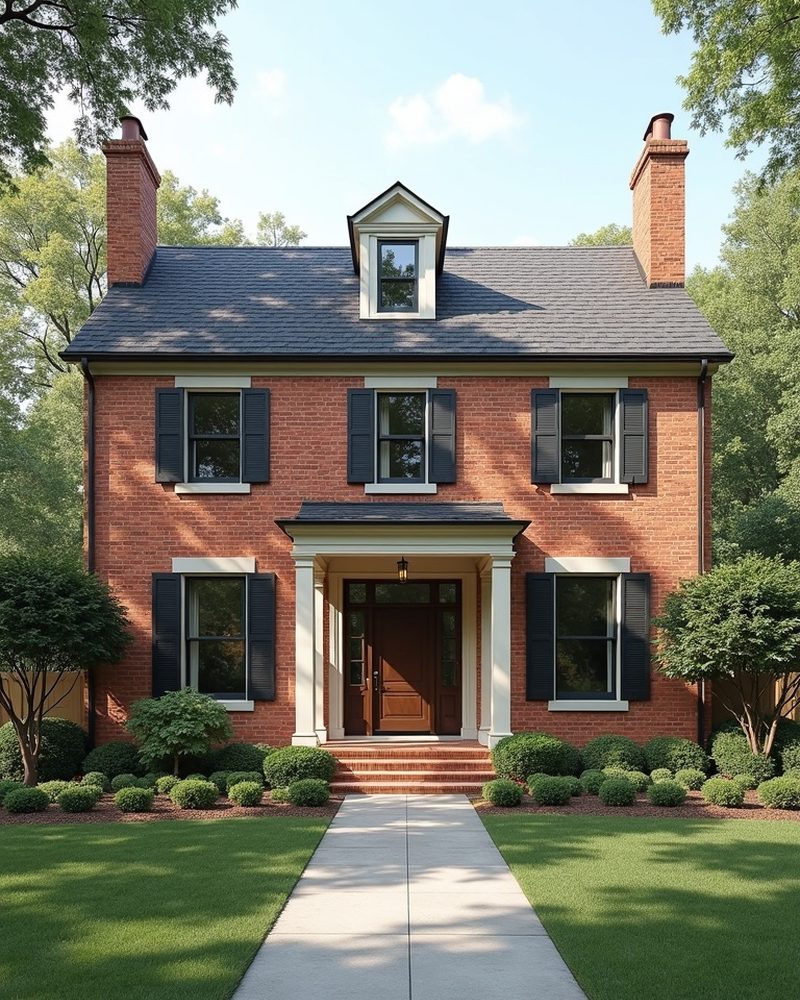
Whether you are buying your first home, trading up, downsizing, or selling to move on to a new chapter, Commerce Georgia presents a blend of small town character, regional access, and growing local amenities that reward thoughtful decisions. This guide explains clear, search-friendly steps buyers and sellers can use today and reference for years to come to make choices that protect lifestyle and long term value in Commerce Georgia real estate.
Start with the lifestyle layers that matter most in Commerce Georgia. Price per square foot is only the beginning. Buyers and sellers should weigh school districts, commute corridors to Athens and Atlanta, proximity to I-85, local employment centers, and lifestyle anchors like shopping at Tanger Outlets, parks, and acreage for outdoor living. Homes that align with a buyer's daily life tend to sell faster and hold value longer.
Watch five local market indicators that are practical and enduring. These metrics help both buyers and sellers understand momentum without relying solely on national headlines:
1) Active inventory and time on market in key neighborhoods.
2) Recent sold price trends within a one mile and three mile radius.
3) New construction starts and lot availability.
4) School performance and planned school boundary changes.
5) Local employment announcements or large retail projects that change traffic and demand.
Track these factors quarterly to spot meaningful change rather than noise.
For sellers: position your home around what Commerce buyers want now and will want in five years. Focus on curb appeal, durable low maintenance landscaping, a welcoming entry, and flexible spaces that serve remote work, multi-generational living, or rental income. Add weather-smart upgrades such as proper grading, gutters, and storm-ready roof materials that buyers in Georgia appreciate. Professional photos and floor plans matter because many Commerce buyers begin their search online.
For buyers: prioritize inspections and future costs more than cosmetic appeal. In Commerce Georgia, older homes can be charming and well built, but roof, HVAC, foundation, and septic or well systems create the largest ownership expenses. A clear inspection report gives negotiating leverage and prevents surprises. If your goal is resale, compare recent sale prices in streets nearby rather than relying on broad zip code averages.
Use seasonality to your advantage. Spring and early summer can bring more inventory and more buyers, while fall can offer motivated sellers and less competition. For sellers, staging outdoor living areas and highlighting shade, porches, and mature trees performs well in Commerce. For buyers, slower seasons can result in better negotiating positions on price and timelines.
Match financing to the property type. Many buyers in Commerce benefit from programs designed for smaller markets, including USDA loans for qualifying rural properties, conventional loans for new construction, and local bank relationships that know the community. Sellers should understand how different loan types affect timing and contract strength so offers can be evaluated beyond just price.
Think long term about resale. Simple, high-impact upgrades tend to be the best investments: updated kitchens with durable surfaces, energy efficient windows, and neutral paint. However, avoid over-customizing a home with very niche finishes that limit buyer appeal in small markets. When considering acreage, document usable land versus woodlot and
