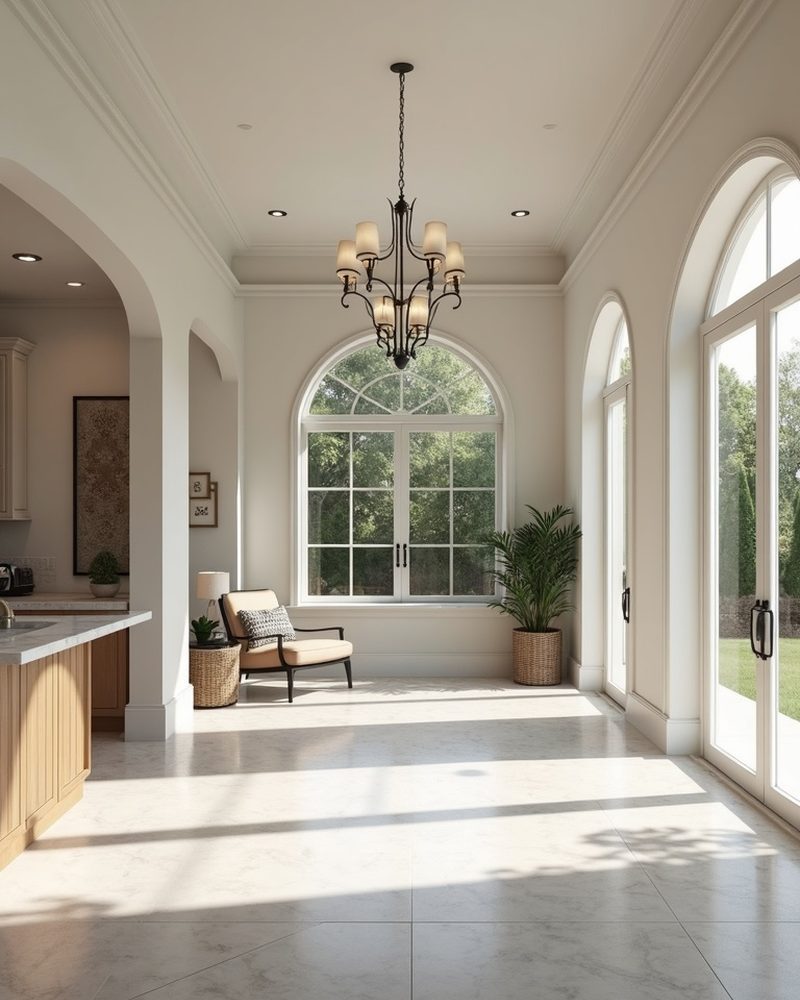
Commerce GA is more than a dot on the map. For buyers and sellers it is a market of distinct neighborhoods, lot sizes, and lifestyle choices that can change the value of a home for years to come. Whether you are searching homes for sale in Commerce GA or preparing to sell your property, a neighborhood scorecard approach helps you compare the things that matter most to long term value and everyday living.
Start with practical location factors that influence resale and daily life. Proximity to I 85 and regional shopping, the quality of nearby schools, commute times to Athens or Atlanta, and access to services like broadband and healthcare all show up in buyer searches and in final sale prices. When evaluating a property, map drive times, school zones, and where new development is planned to see which neighborhoods are gaining momentum.
Inventory and pricing trends are the market signals you should track. Look at current homes for sale in Commerce GA, recent sold prices, and days on market in the neighborhood you like. Rising inventory can mean more choice for buyers but may push sellers to stage and price more competitively. Low inventory favors sellers but requires buyers to act quickly and come prepared with clear financing and realistic offers.
Physical property features that matter in Commerce GA include lot size, floodplain and septic or well systems. Acreage properties and older homes on larger lots attract buyers who want space or potential rental or hobby farming income, but they also bring additional inspection items and maintenance costs. If a property is in a flood zone or uses a septic system, those factors should be accounted for in price and disclosures.
Schools and community amenities often drive long term demand. Even if you do not have children, homes in well rated school zones and near parks or community centers tend to hold value better. Pay attention to planned infrastructure projects and community investments; improvements in roads, utilities, or commercial development can shift neighborhood desirability.
Practical steps for buyers comparing Commerce GA neighborhoods:
1. Define priorities: commute, schools, lot size, and price per square foot. Rank what you will not compromise on.
2. Pull recent comps: examine at least 6 to 12 months of closed sales in the immediate neighborhood to establish realistic pricing expectations.
3. Inspect beyond the house: ask about septic, well permits, property boundaries, and any known easements.
4. Confirm utilities and internet options for remote work; fiber and reliable broadband are increasingly important in small town markets.
For sellers aiming to maximize offers in Commerce GA, first impressions and accurate pricing are essential. Small, targeted improvements like fresh paint, updated lighting, and professional photos lift listing performance in search results and open houses. Price competitively based on local comps and be ready to show recent inspection or repair documentation to remove friction for buyers.
A seller timeline that works in most Commerce GA neighborhoods:
30 days before listing: declutter, address visible repairs, gather warranties and permits.
Listing day to 30 days: monitor buyer feedback and adjust price or presentation if showings are low.
30 to 60 days: review offers with your agent, consider terms beyond price like closing date and inspection contingencies.
Long term investors should watch zoning and growth patterns in Jackson County and surrounding corridors. New retail, manufacturing, or transportation projects can create waves of demand for housing close to job centers. Land parcels near major corridors may appreciate differently than infill neighborhoods, so align your strategy with your investment timeline.
Inspection traps commonly seen in Commerce GA include older HVAC systems, septic repairs, roofing age, and hidden water intrusion on crawl spaces. Buyers should budget for a thorough home inspection and consider a septic inspection or dye test when applicable. Sellers who pre inspect and disclose known issues can reduce buyer uncertainty and speed the sale.
When you are ready to take the next step whether buying your first home, upsizing to acreage
